Flood warning upgrades underway across 10 regions
Published: 8 October, 2026
Work is now underway across 10 regions on a $9.38 million project to strengthen New Zealand's flood warning infrastructure, helping communities better prepare for and respond to severe weather events.
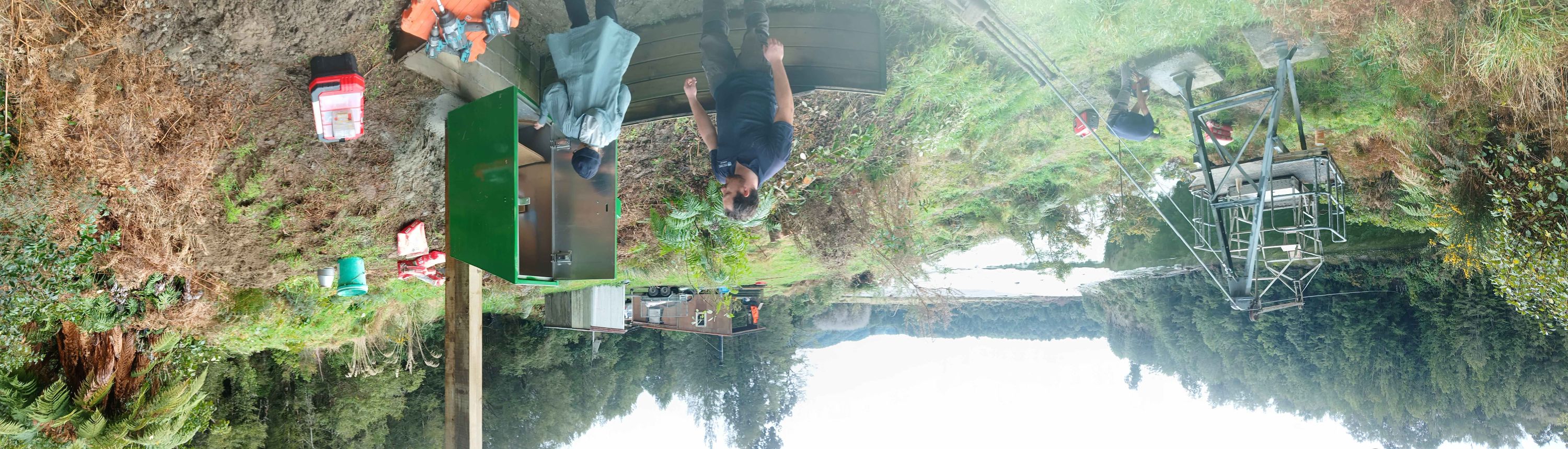
Councils in 10 participating regions are upgrading flood monitoring equipment including river level sensors, flow gauges, telemetry systems and surveillance cameras.
The improvements will provide more reliable, real-time flooding information during severe weather events, supporting faster decision-making by councils, emergency management teams and communities.
On the West Coast, the programme is nearly halfway complete and has restored reliable communications to the Karamea flood monitoring network for the first time since 2021. Upgrades have also included satellite communication backups, new river cameras and improvements to remote rainfall and flood monitoring sites.
In Waikato, communications upgrades have been completed to help prevent flood monitoring sites from losing contact during emergencies, ensuring critical information remains available when it is needed most.
In Otago, the Regional Council has installed 26 new water level monitoring stations across streams, estuaries and flood-prone areas. The new stations will improve understanding of changing water levels and support more effective flood response planning.
In Tasman, upgrades are helping restore and strengthen flood monitoring infrastructure damaged during major flood events in 2025. Improvements include more resilient communications systems and upgraded monitoring equipment at a key site on the Motupiko River.
The flood warning upgrade project was announced in October 2025 and is funded through the Regional Infrastructure Fund (RIF) as part of its investment in flood resilience. All works are expected to be finished by 2029.
The programme of upgrades is being coordinated by Environment Canterbury on behalf of 10 councils, with the government contributing 60% of costs ($5.62 million) and councils providing the remaining 40% ($3.75 million).